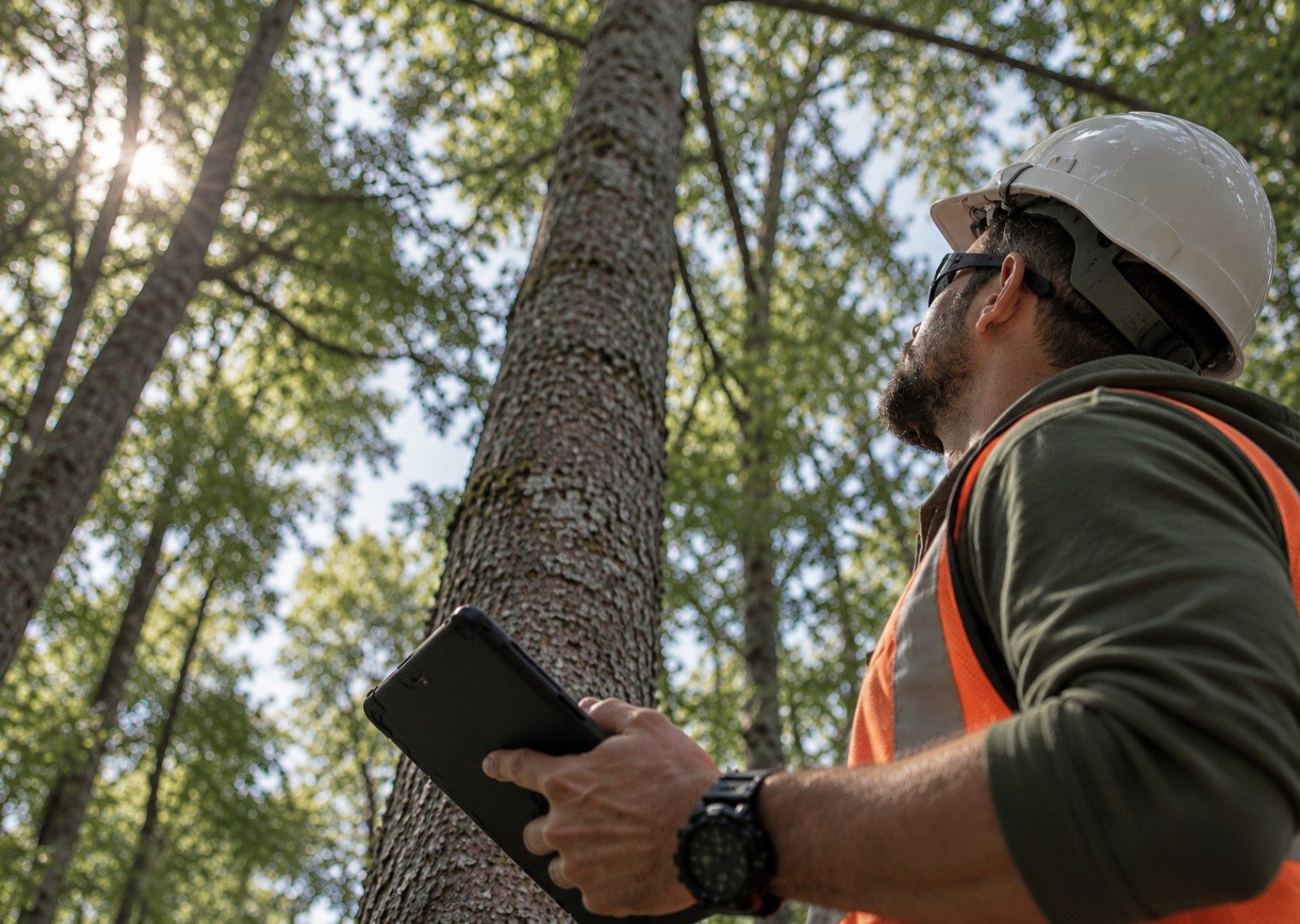
Tree Safety and Risk Assessment
Tree Risk Assessment in Niagara
Concerned about a leaning, damaged, or mature tree near people or property? Request a free, no-obligation estimate today.
Understand the Risks Before Deciding What to Do
A tree can become a concern when it develops a large dead limb, a trunk crack, root damage, significant decay, or a change in its lean. For property owners in Niagara, these warning signs can raise important questions about safety, tree preservation, and the possibility of damage during severe weather. A tree risk assessment helps organize those concerns into a clearer picture of the tree, its surroundings, and the potential consequences of failure.
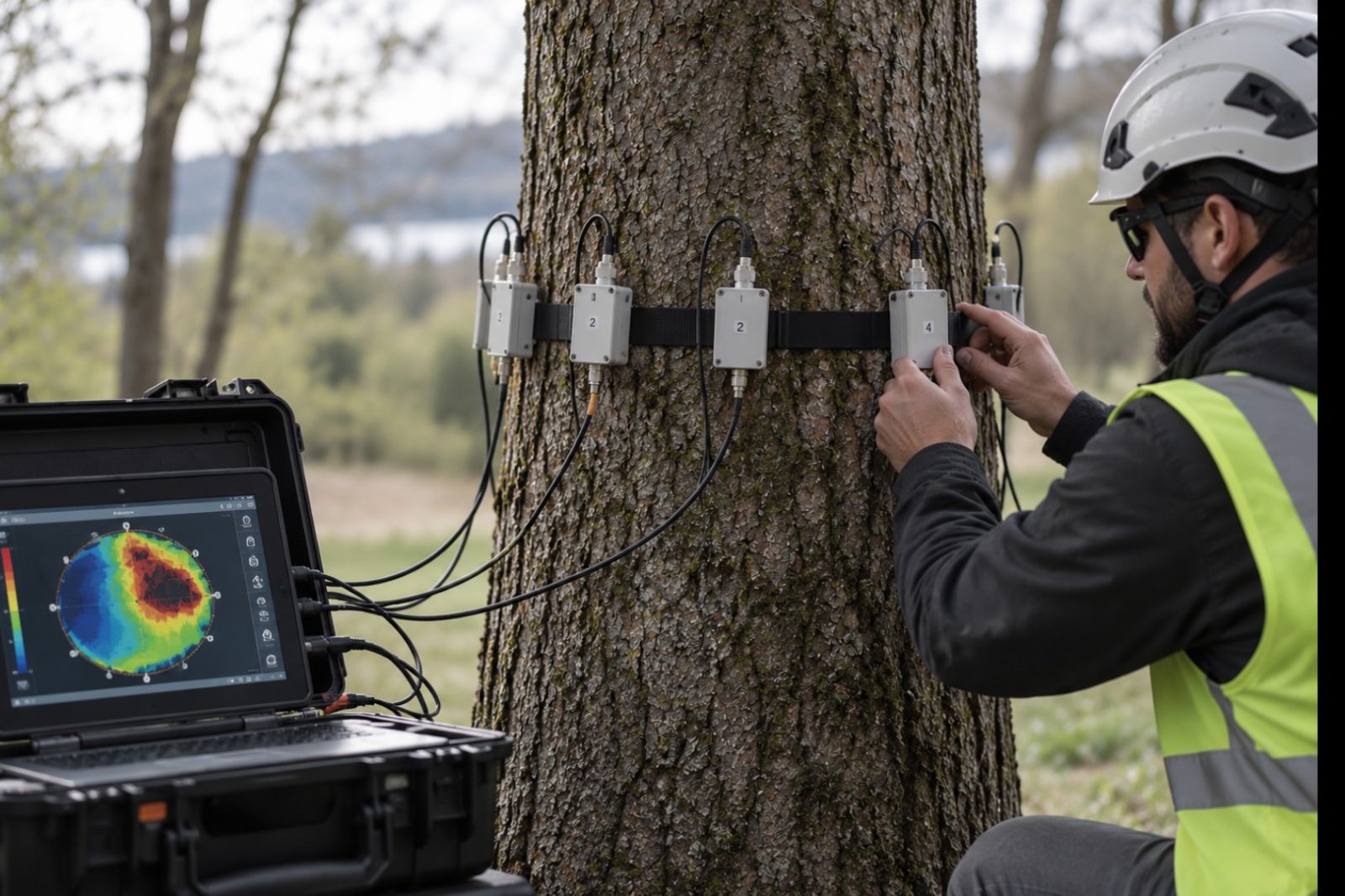
Tree Inspection Niagara considers visible tree defects, general condition, site characteristics, and the targets that could be affected if a branch or the tree itself failed. The appropriate level of assessment depends on the tree and the question being asked. Where additional investigation is warranted, we can discuss suitable diagnostic methods or the need for further professional evaluation.
Tree Inspection Niagara Is Proud to Serve Niagara
What a Tree Risk Assessment Considers
A useful assessment looks beyond whether a tree appears healthy or unhealthy. It considers the interaction between the tree, its structural condition, and the surrounding property. The findings help clarify what needs attention, what may be monitored, and when additional investigation or corrective work should be considered.
Structural defects
We look for visible signs such as cracks, cavities, weak branch attachments, dead limbs, trunk damage, and other features that may affect structural stability.
Root and soil conditions
Root disturbance, soil changes, restricted rooting space, and signs of root damage may affect tree stability. These conditions are considered alongside other available evidence.
Targets and site exposure
The potential consequences of a tree or branch failing depend on what is nearby, such as homes, driveways, walkways, parked vehicles, work areas, or frequently used outdoor spaces.
Recommended next steps
Depending on the findings, next steps may include monitoring, further inspection, diagnostic testing, pruning recommendations, or a review of removal options by an appropriate tree-care professional.
Tree Risk Assessment Costs
| Service | Pricing | What Affects the Price |
|---|---|---|
| Single-tree visual risk assessment | Quote required | Depends on scope |
| Multiple-tree property assessment | Quote required | Depends on tree count and site |
| Detailed assessment with additional diagnostics | Quote required | Depends on testing requirements |
| Written findings and recommendations | Quote required | Depends on reporting scope |
Pricing depends on the number and size of trees, site access, the level of assessment, travel requirements, and whether diagnostic testing or a formal written report is needed. Contact us for a scope-specific estimate rather than relying on a generic price.
Why Choose Us for Tree Risk Assessment?
Focus on the actual concern
We consider why the assessment is needed and what decisions the findings must support, from monitoring a mature tree to investigating a possible hazard.
Evidence-based observations
We distinguish visible defects from suspected problems and explain when further investigation may be necessary.
Practical recommendations
The goal is to help you understand the available options and their limitations, not to assume that every concerning tree must be removed.
Contact Us Today for a Free Estimate
If a tree is worrying you, start by describing the symptoms and the location. We can discuss the appropriate assessment for your Niagara property.
Free — no obligation
Our Tree Risk Assessment Process
Discuss the concern
Tell us which tree concerns you, what changes you have noticed, and whether there has been recent damage, construction, or a significant weather event.
Assess the tree and surroundings
The assessment considers relevant visible defects, tree condition, site factors, and nearby targets in accordance with the agreed scope.
Explain the findings
We discuss the observations, any limitations, and whether the available evidence supports a recommendation or indicates a need for more investigation.
Plan the next step
Depending on the findings, you can consider monitoring, further diagnostic assessment, appropriate tree maintenance, or other risk-reduction measures.