Tree Health and Diagnosis
Tree Health Solutions in Niagara
Noticing discoloured leaves, thinning branches, or declining growth? Request a free, no-obligation estimate today.
Find Out Why Your Tree Is Struggling
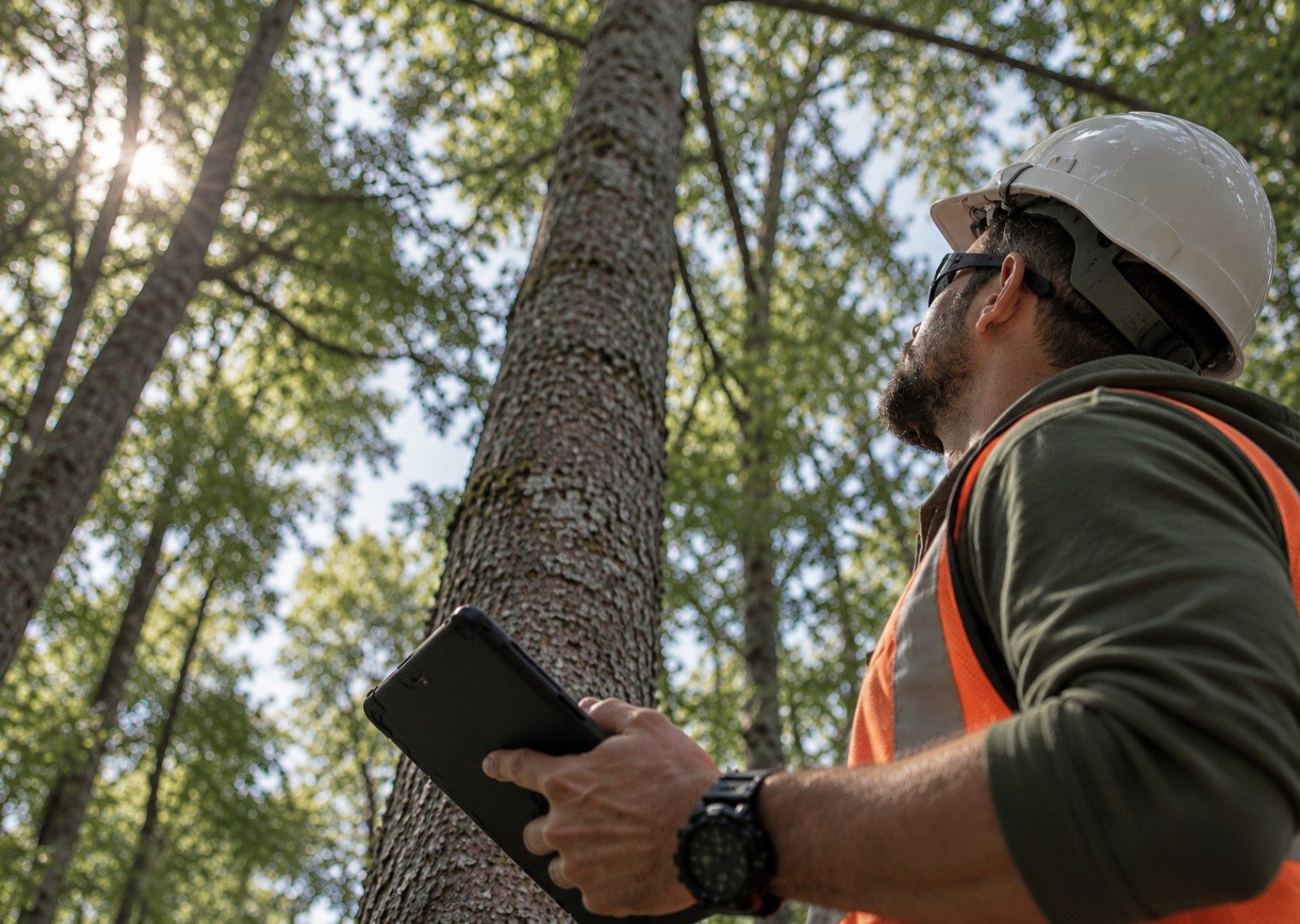
When a tree starts to decline, the visible symptoms are only part of the story. Sparse foliage, early leaf drop, dead branch tips, damaged bark, or poor growth can result from insects, disease, root stress, soil conditions, weather, or a combination of factors. Effective tree health solutions begin with understanding the likely cause instead of treating symptoms without a diagnosis.
Tree Inspection Niagara helps property owners investigate tree health concerns and understand which management options may be appropriate. The assessment considers the tree species, the timing and pattern of symptoms, growing conditions, recent site changes, and other relevant observations. Recommendations may include changes to care practices, additional diagnostic work, monitoring, or referral for a suitable treatment or tree-care service.
Tree Inspection Niagara Is Proud to Serve Niagara
A Practical Approach to Tree Health
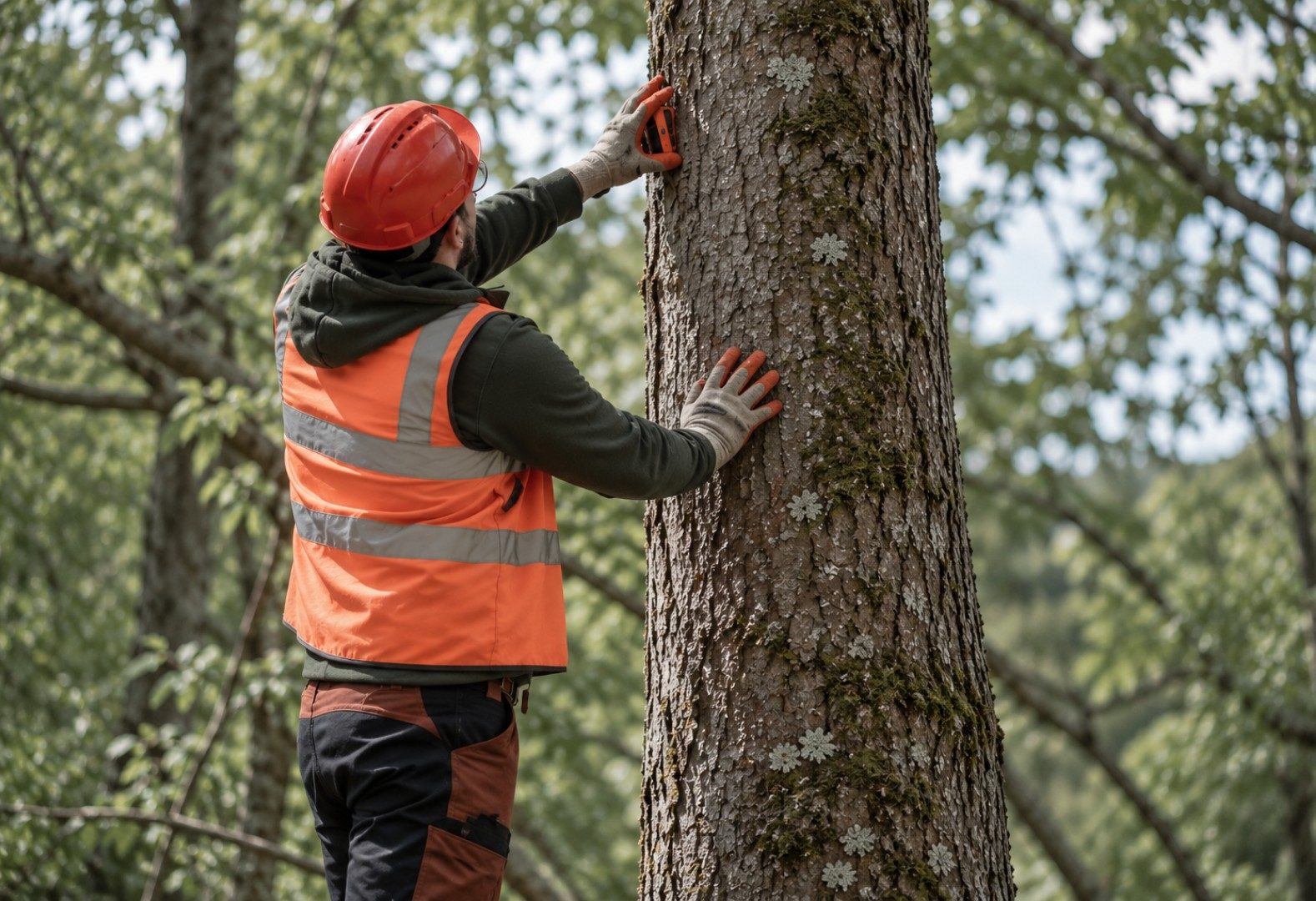
The right response depends on what is affecting the tree and how advanced the problem has become. We focus on understanding the available evidence, identifying manageable stress factors, and helping property owners make decisions that fit the condition of the tree and the needs of the site.
Declining tree diagnosis
Investigate thinning crowns, unusual leaf colour, deadwood, reduced growth, bark changes, and other symptoms that may indicate a health problem.
Growing-condition review
Consider drainage, soil compaction, root disturbance, limited growing space, construction activity, and other environmental factors that may be contributing to stress.
Tree-care recommendations
Discuss suitable care measures, which may include improving growing conditions, appropriate pruning by a qualified provider, monitoring, or further investigation.
Ongoing monitoring
Where immediate intervention is not necessary, a monitoring plan can help track changes over time and identify whether symptoms are improving or progressing.
Tree Health Solution Costs
| Service | Pricing | What Affects the Price |
|---|---|---|
| Initial tree health inspection | Quote required | Depends on scope |
| Detailed investigation of tree decline | Quote required | Depends on complexity |
| Follow-up inspection | Quote required | Depends on monitoring needs |
| Tree health management recommendations | Quote required | Depends on reporting scope |
The cost depends on the tree species, number of trees, severity of symptoms, access, and whether laboratory testing, advanced diagnostics, or a written report is required. Treatment costs, where applicable, may be separate from inspection fees.
Why Choose Us for Tree Health Solutions?
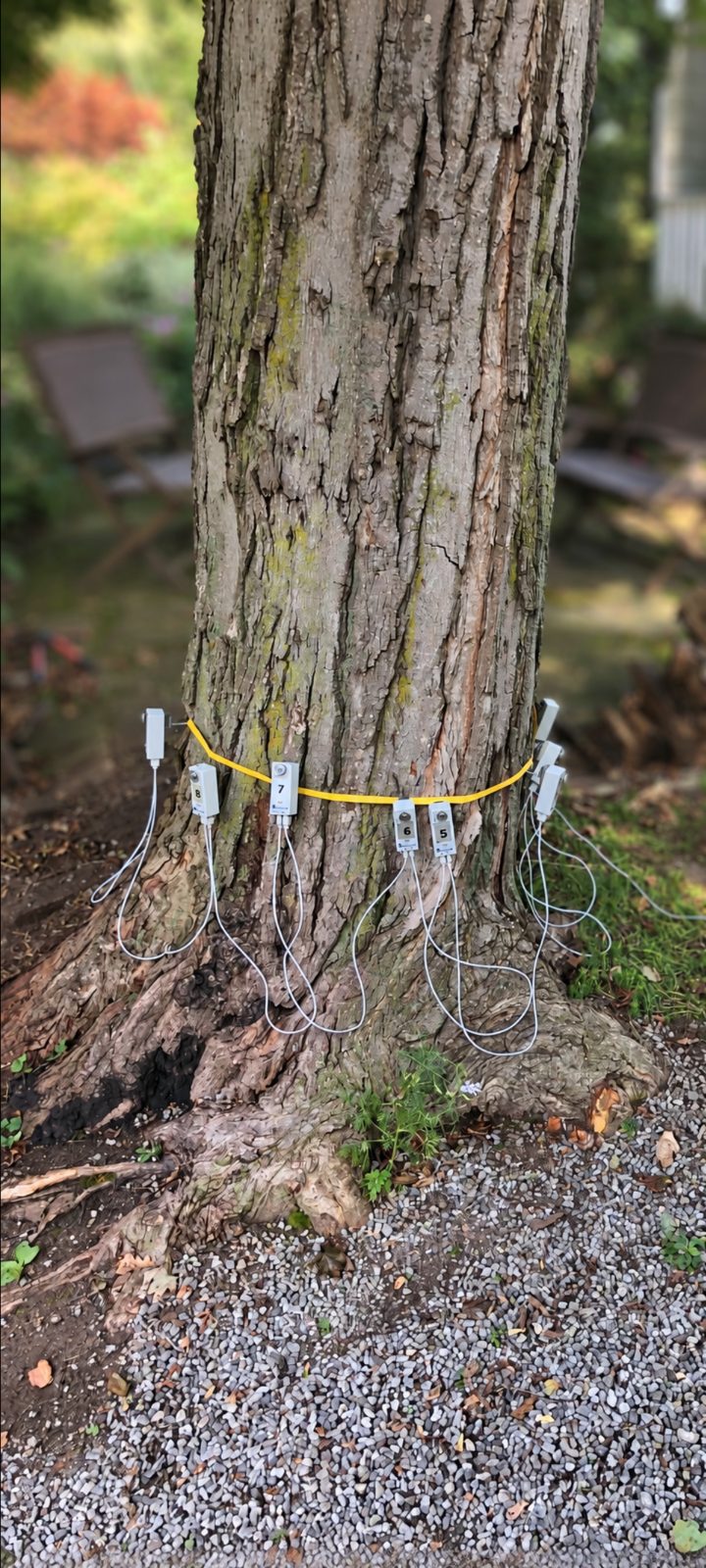
Investigate before treating
Similar symptoms can have different causes. Understanding the likely source of the problem helps avoid unnecessary or unsuitable treatments.
Consider the whole site
Tree health is influenced by soil, water, roots, weather, and surrounding activities, so we consider the conditions around the tree as well as its visible symptoms.
Support long-term care
Recommendations focus on practical ways to manage identified concerns and understand what to watch for as the tree responds over time.
Tree Health Solutions Questions
Can a declining tree recover?
Often, yes, if the cause is identified and addressed early. Trees stressed by drought, compaction, or root damage can improve with the right care, while others may only be stabilised.
What kinds of solutions do you recommend?
Recommendations may include changes to watering, mulching, and soil care, protecting the root zone, corrective pruning by a qualified contractor, pest or disease management, and follow-up monitoring.
How long before I see improvement?
Trees respond slowly. Changes often take one or more growing seasons to show, which is why follow-up inspections are useful to confirm progress.
Contact Us Today for a Free Estimate
Give your tree a better starting point with an informed assessment. Tell us what has changed and where the tree is located.
Free — no obligation
How We Approach Tree Health Concerns
Describe the symptoms
Share what you have noticed, when the symptoms appeared, and whether they affect one tree or several.
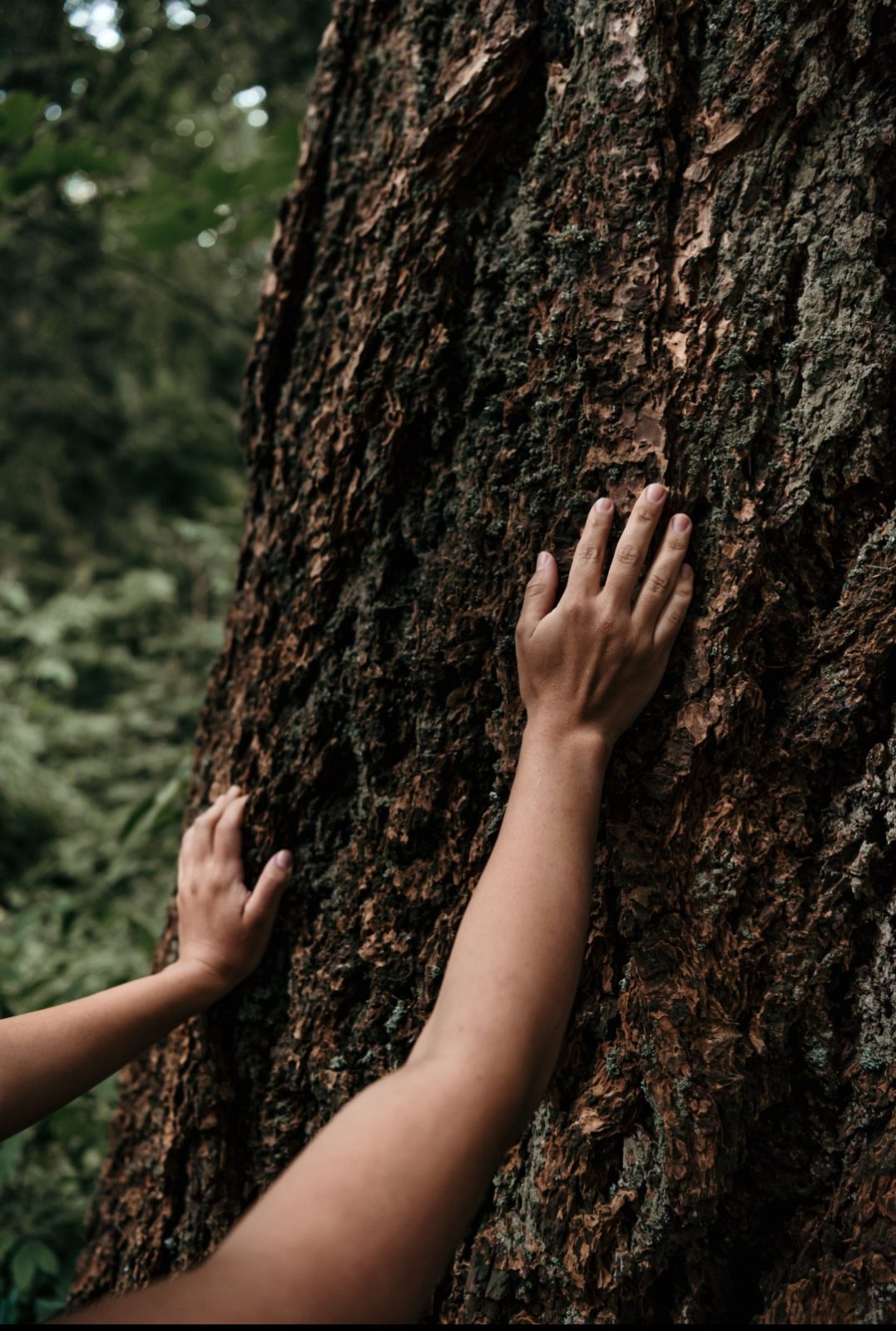
Inspect the tree and site
Relevant observations may include foliage, branches, bark, trunk, roots where visible, and the tree's growing environment.
Consider likely causes
We evaluate the available evidence and explain whether the issue appears related to growing conditions, pests, disease, structural damage, or another possible cause.
Discuss appropriate action
Recommendations may involve changes in care, monitoring, additional testing, or treatment through an appropriate service provider.