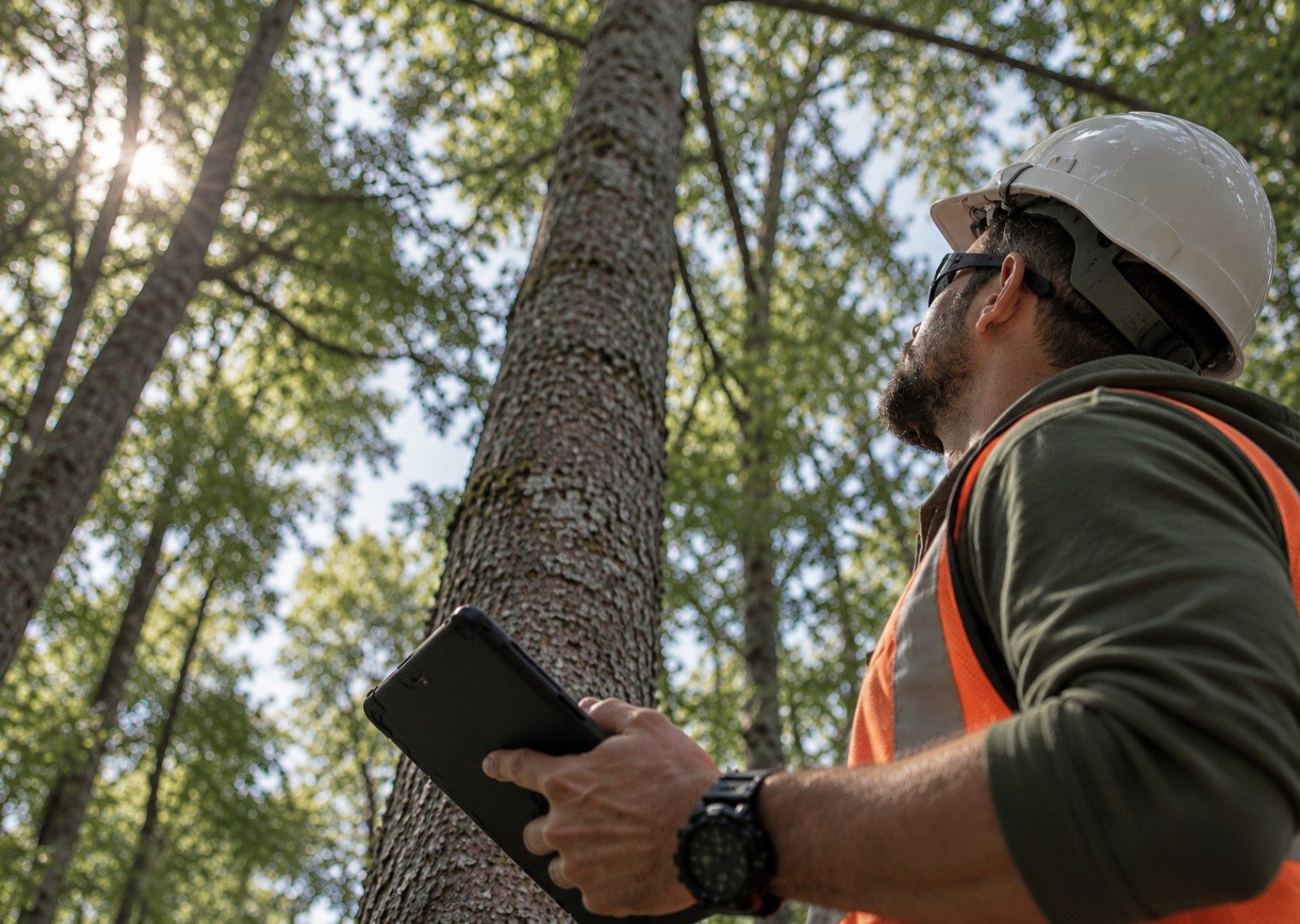
Tree Health Inspection Across Niagara
Professional Tree Health Inspection in Niagara, Ontario
Concerned about a declining, damaged, or potentially hazardous tree? Get clear answers from a careful tree health inspection, with practical next steps in plain language.
- Free, no-obligation estimates
- Health & risk assessments
- Serving all of Niagara
Get a Free Estimate
Tell us about your tree. We reply within one business day.
Tree Health Inspection
Understand Your Trees. Protect Your Property.
Trees add beauty, shade, privacy, and value to properties throughout Niagara. But when a tree begins losing leaves, developing cracks, showing signs of decay, or leaning unexpectedly, it can be difficult to know whether the problem is minor or something that needs attention. Tree Inspection Niagara helps property owners understand what their trees are telling them through careful tree health inspections and practical arborist guidance.
Our services are designed for homeowners, landlords, commercial property managers, and other property owners who need clearer answers about tree condition and safety. We assess visible signs of stress, structural concerns, potential insect and disease problems, and other factors that may affect a tree's long-term health. When appropriate, we can discuss more detailed assessment methods, including tree sonic tomography, and help you understand the findings before deciding what to do next.
Request an Inspection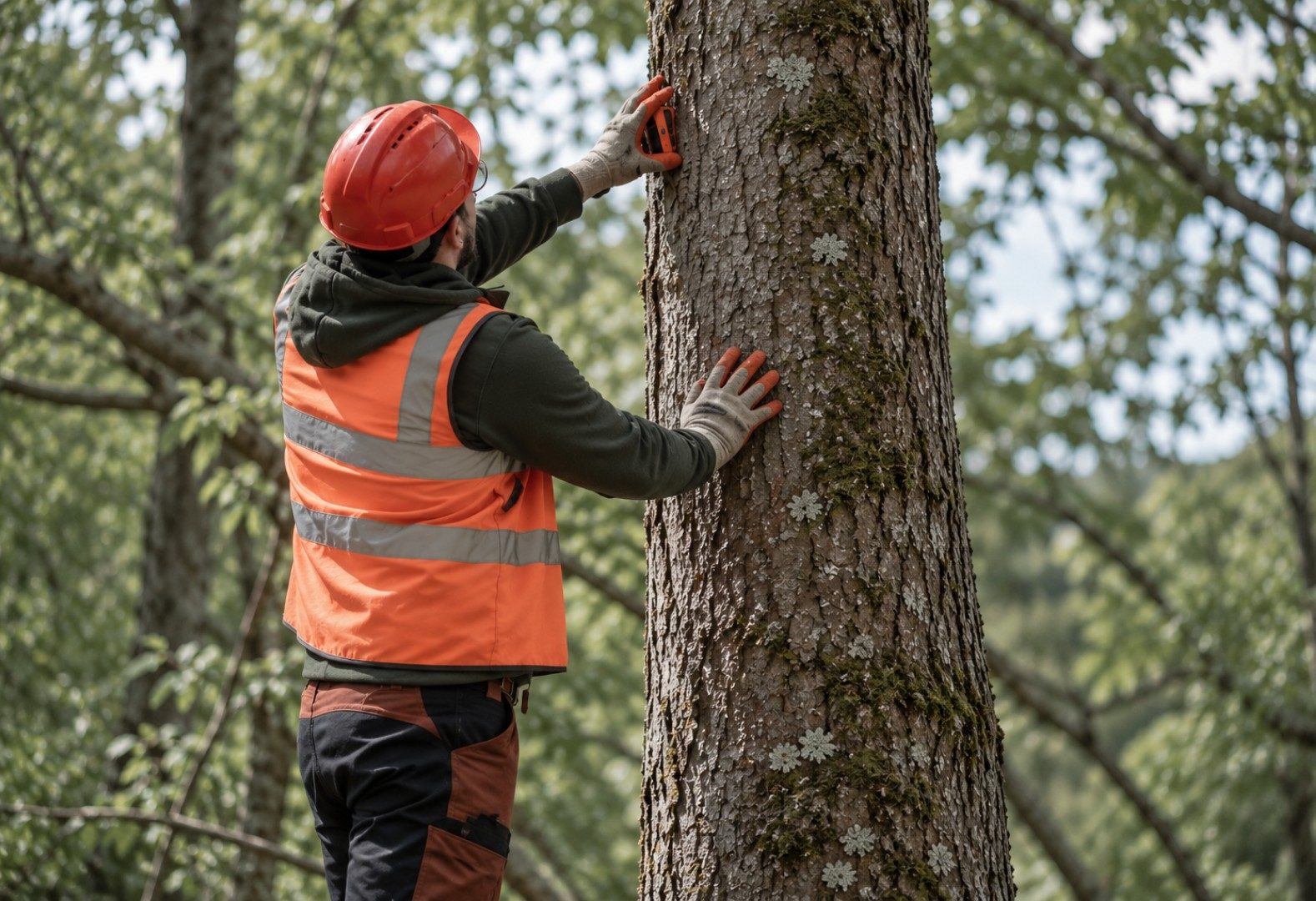
Our Approach
Local Tree Knowledge With a Practical Approach
Niagara has a diverse landscape, from established residential streets and mature gardens to agricultural properties, wooded lots, and commercial spaces. Trees in this region experience changing seasonal conditions, wind exposure, wet periods, dry spells, soil compaction, and pressures from insects and disease. Understanding the setting around a tree is an important part of understanding its condition.
Tree Inspection Niagara is built around a straightforward idea: property owners should have useful information before making important decisions about their trees. Our approach emphasizes careful observation, clear explanations, and recommendations that consider tree health, site conditions, potential hazards, and the owner's goals.
More about us →
What We Do
Our Services
From routine tree health inspections to detailed risk assessments, diagnostic testing, arborist reports, and insect and disease control guidance, we help Niagara property owners identify concerns and choose appropriate next steps.
Tree Health Inspection
Find out why a tree is declining with a careful look at its crown, trunk, bark, root zone, and surroundings.
Learn more →Tree Risk Assessment
Understand potential tree hazards with a structured assessment of defects, site conditions, and possible consequences.
Learn more →Tree Health Solutions
Identify possible causes of tree decline and explore practical steps to support long-term tree health.
Learn more →Tree Sonic Tomography
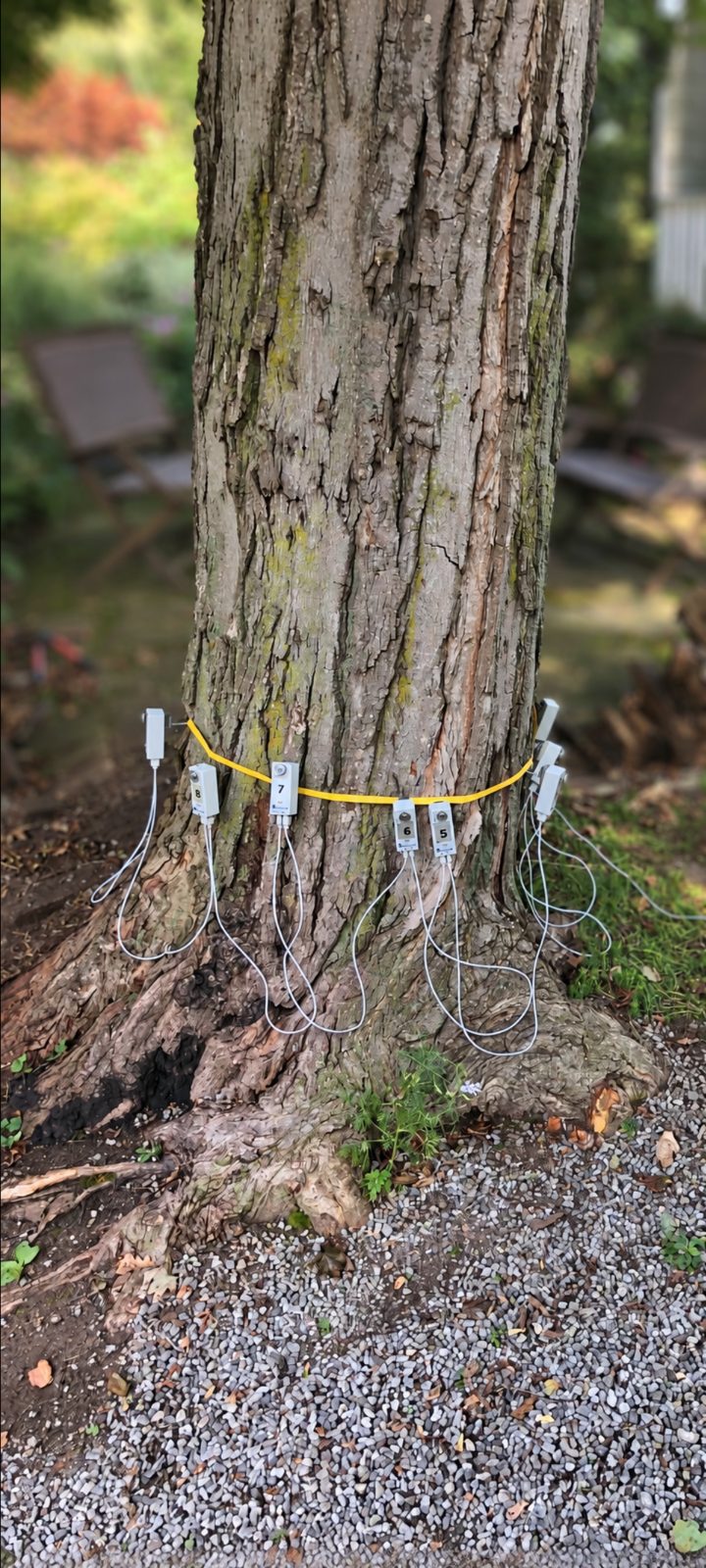
Explore internal trunk condition using sound-wave diagnostics when a visual inspection cannot answer an important question.
Learn more →Total Tree Care
Coordinate informed tree care with health inspections, maintenance guidance, monitoring, and recommendations for next steps.
Learn more →Arborist Reporting and Consulting
Get clear arborist observations and practical recommendations to support property planning and tree management decisions.
Learn more →Insect and Disease Control
Investigate possible tree pests and diseases and identify suitable management options based on the symptoms and conditions.
Learn more →Not Sure What You Need?
Describe what you have noticed and we will recommend the right assessment for your tree.
Get a free estimate →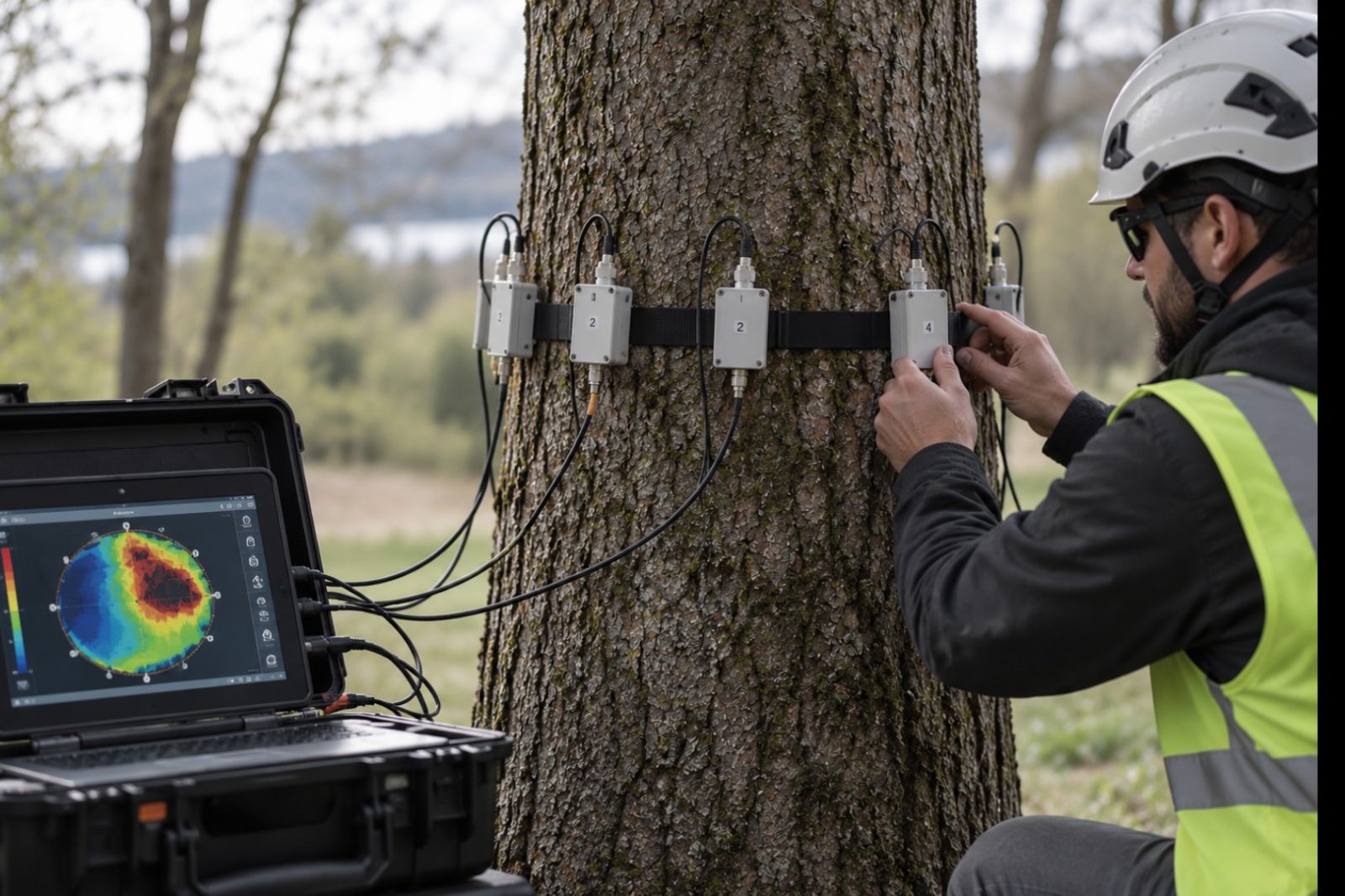
How It Works
A Simple, Clear Process
Tell Us the Concern
Call or send the form with what you have noticed — leaf loss, cracks, a new lean, fungal growth, or storm damage.
On-Site Inspection
We look at the tree and its surroundings, including visible defects, roots, soil, and what could be affected if it failed.
Clear Findings
We explain what we observed, what remains uncertain, and whether further diagnostics such as sonic tomography would help.
Practical Next Steps
Monitoring, treatment, maintenance, a written report, or a referral to the right tree-care professional.
Service Areas
Where We Serve You
We serve property owners throughout Niagara, including Pelham, Grimsby, Lincoln, Niagara-on-the-Lake, Fonthill, Ridgeway, Smithville, and Niagara Falls. Each community includes different property types, tree species, growing conditions, and maintenance concerns. We consider the specific site rather than assuming that every tree with similar symptoms has the same problem.
Whether you have a mature tree close to your home, a declining tree in a garden, trees along a driveway, or a group of trees on a commercial or rural property, we can help you determine what kind of assessment may be appropriate.
Why Choose Us
Why Choose Tree Inspection Niagara?
Clear explanations, not guesswork
Tree symptoms can have several possible causes. We focus on observable evidence, explain areas of uncertainty, and help you understand which concerns deserve attention.
Health and safety considered together
A tree can be unhealthy without presenting an immediate hazard, while a tree that appears healthy may still have structural weaknesses. We consider both tree condition and the surrounding site.
Appropriate assessment methods
Not every tree needs advanced diagnostic testing. We consider the available inspection methods and explain when a more detailed assessment, including sonic tomography, may be useful.
Recommendations that fit the property
Our advice considers tree condition, site use, nearby structures, access, and the owner's objectives rather than applying the same recommendation to every situation.
Support for informed decisions
When a tree needs further investigation, treatment, monitoring, or professional tree work, we help clarify the options and what each may accomplish.
Service throughout Niagara
We understand that Niagara properties range from compact urban lots to larger rural and commercial sites. Our assessment approach considers the location and its particular conditions.
FAQ
What People Ask Us
When should I arrange a tree health inspection?
Arrange an inspection if a tree has unusual leaf loss, dead branches, discoloured foliage, fungal growth, cracks, a new lean, root disturbance, or unexplained decline. An inspection is also useful before buying a property, undertaking construction near mature trees, or making decisions about a tree that concerns you.
Can you tell whether a tree is dangerous?
A tree inspection can identify visible defects, site conditions, and other factors that may indicate risk. A risk assessment considers the likelihood of failure, the potential consequences, and what or who could be affected. Some internal defects require additional diagnostic work, and no assessment can guarantee that a tree will never fail.
What is the difference between tree health inspection and tree risk assessment?
A health inspection focuses on a tree's condition, vigour, symptoms, and possible causes of decline. A risk assessment focuses more specifically on structural defects, the likelihood of failure, and potential consequences for people or property. Depending on your concern, one assessment or a combination of both may be appropriate.
Can you inspect a tree that looks healthy on the outside?
Yes. Some structural weaknesses and internal decay are not obvious from a tree's exterior. A visual inspection may identify warning signs, and additional diagnostic methods may be considered if internal condition is an important unanswered question.
What is sonic tomography, and when is it useful?
Tree sonic tomography is a diagnostic method that uses sound-wave measurements to help assess the internal structure of a tree's trunk. It may help identify areas consistent with decay or other internal irregularities. Its usefulness depends on the tree, the suspected defect, and whether the results will help answer a practical management question.
Contact Us Today for a Free Estimate
Get a clearer understanding of your tree's condition and the options available. Start with a conversation about your property and concerns.
Free — no obligation