Tree Condition and Health
Tree Health Inspection in Niagara
Leaves thinning, branches dying back, or something just not right with a tree you care about? Request a free, no-obligation estimate today.
Find Out What Your Tree Is Telling You
Trees rarely fail or decline without warning. Early leaf drop, sparse or discoloured foliage, dead branches in the crown, peeling or cracked bark, mushrooms at the base, and slow growth can all point to a tree under stress. The difficulty is that many different causes produce similar symptoms, from drought and soil compaction to root damage, insects, disease, or construction nearby.
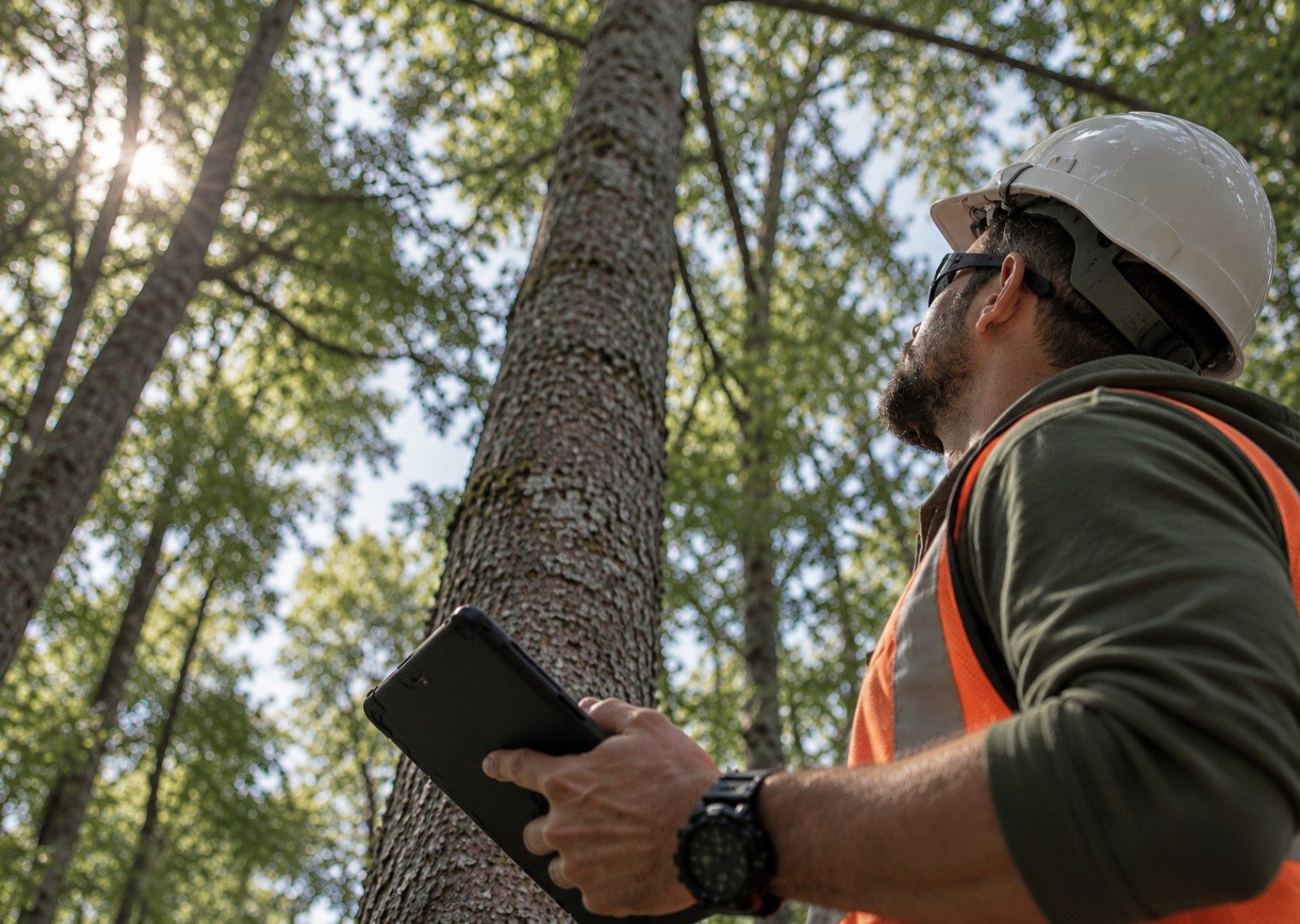
A tree health inspection from Tree Inspection Niagara looks at the whole tree and its surroundings to help narrow down what may be going on. We record what we see, explain which symptoms are a concern and which are normal for the species or season, and outline sensible next steps. For many property owners in Niagara, that clarity is the difference between an expensive guess and a confident decision.
Tree Health Inspections Across Niagara
What a Tree Health Inspection Looks At
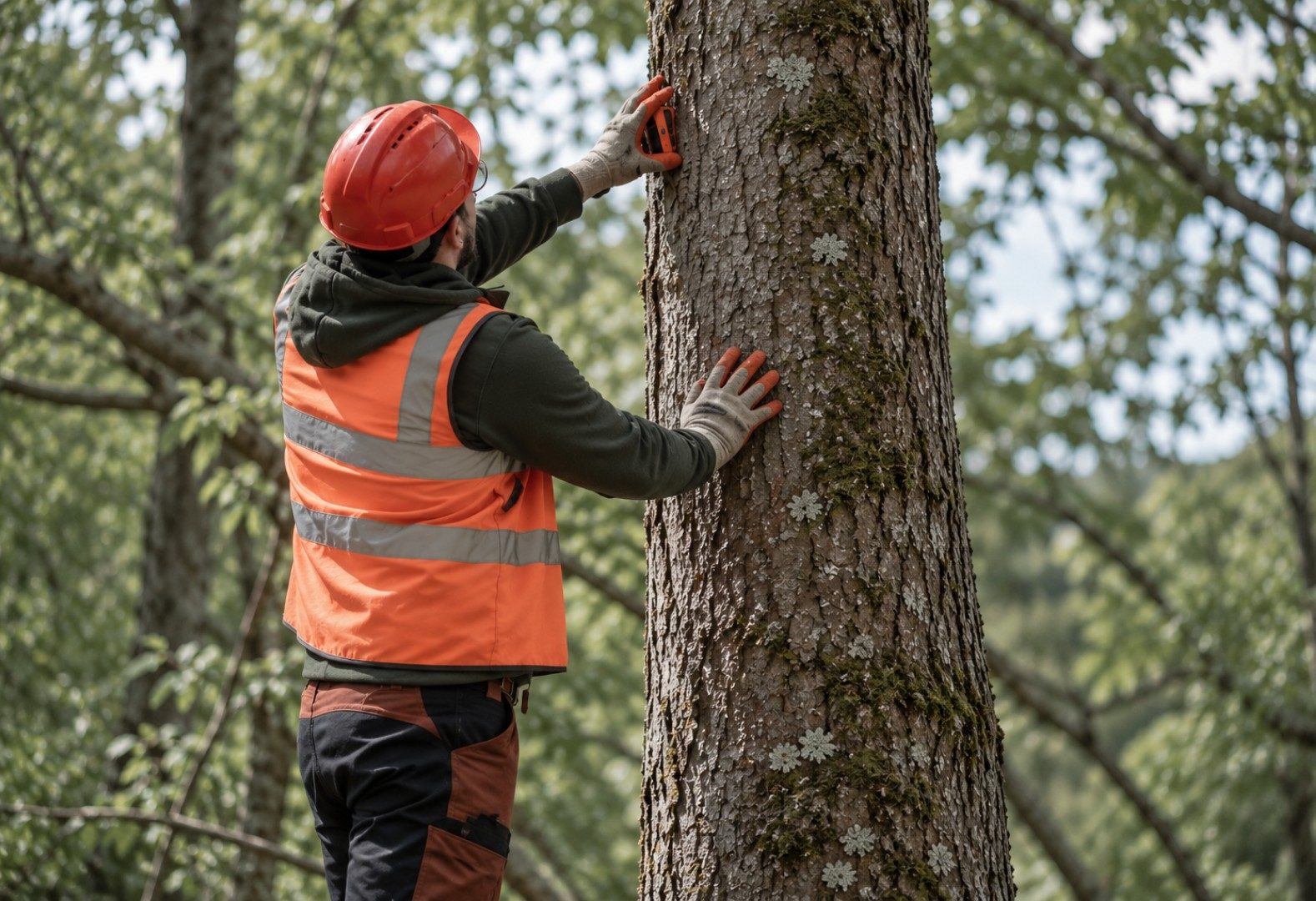
The scope depends on the tree and the reason for the visit, but most inspections cover the same core areas, from the crown down to the root zone.
Crown and foliage
Leaf size, colour, density, and timing of leaf drop, along with dead or dying branches, can show how well the tree is coping and where stress is concentrated.
Trunk and bark
Cracks, cankers, cavities, seeping, loose bark, and wounds are noted, together with signs of insect activity such as exit holes or sawdust-like frass.
Root zone and soil
Where accessible, we look at the root flare, soil compaction, grade changes, drainage, mulch, and recent digging or construction that may have affected roots.
Pests, disease, and fungi
Visible signs of insects, leaf diseases, and fungal growth are identified as far as an on-site inspection allows, and we explain when lab testing or a specialist may be needed.
Tree Health Inspection Costs
| Service | Pricing | What Affects the Price |
|---|---|---|
| Single-tree health inspection | Quote required | Depends on tree size and access |
| Multiple-tree property inspection | Quote required | Depends on tree count and site |
| Follow-up or seasonal re-inspection | Quote required | Depends on monitoring needs |
| Written findings and recommendations | Quote required | Depends on reporting scope |
Pricing depends on the number and size of trees, site access, travel, and whether you need a verbal summary or written findings. If the inspection points to a structural concern, we can discuss whether a tree risk assessment or sonic tomography would add useful information.
Why Choose Us for Tree Health Inspection?
Inspection first, not a sales pitch
The goal of the visit is to understand the tree. We explain what we found before talking about any further work, and many trees simply need monitoring.
Symptoms put in context
We consider species, age, recent weather, and site changes so a normal seasonal issue is not mistaken for a serious problem, or the other way round.
Plain-language findings
You get a clear explanation of what is likely happening, what is uncertain, and what each option would accomplish.
The right next step
If a tree needs treatment, pruning, a risk assessment, or a specialist, we tell you, so you only pay for the work that is actually useful.
Tree Health Inspection Questions
What are the signs a tree needs a health inspection?
Common signs include thinning or discoloured leaves, early leaf drop, dead branches in the upper crown, cracks or cavities in the trunk, bark falling away, mushrooms or conks near the base, and a sudden lean. A tree that has been through construction, a storm, or a dry summer is also worth checking.
When is the best time of year for a tree health inspection?
Many symptoms are easiest to read when the tree is in leaf, from late spring through summer. That said, structural features, bark, and fungal growth can be checked year-round, so there is no need to wait if a tree is worrying you.
How long does an inspection take?
A single residential tree usually takes well under an hour on site. Larger properties, multiple trees, or written findings take longer, and we will give you a sense of timing when we discuss the scope.
Is a health inspection the same as a risk assessment?
Not quite. A health inspection focuses on the tree's condition and the likely causes of decline. A tree risk assessment looks specifically at the likelihood of failure and what could be hit. Depending on your concern, one or both may be appropriate.
Contact Us Today for a Free Estimate
Tell us which tree is concerning you and what you have noticed. We can discuss the right inspection for your Niagara property.
Free — no obligation
Our Tree Health Inspection Process
Tell us what you noticed
Describe the tree, its location, the symptoms, and any recent changes such as construction, storms, or drought.
Inspect the tree on site
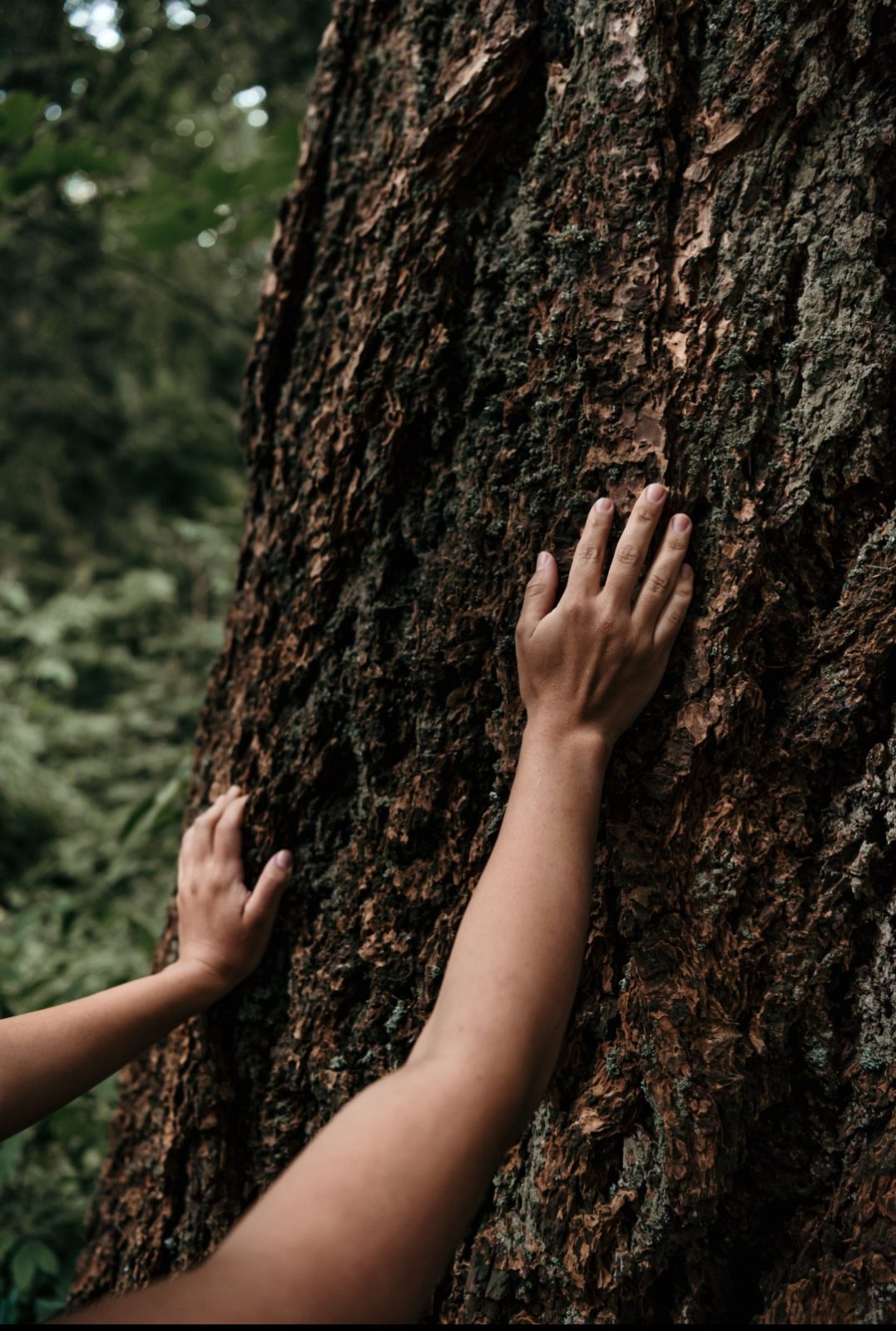
We look at the crown, trunk, bark, and root zone, and note site conditions that may be contributing to the problem.
Explain the findings
We walk you through what we observed, the likely causes, and anything that remains uncertain.
Agree on next steps
Options may include monitoring, care changes, treatment by an appropriate provider, further diagnostics, or a risk assessment.