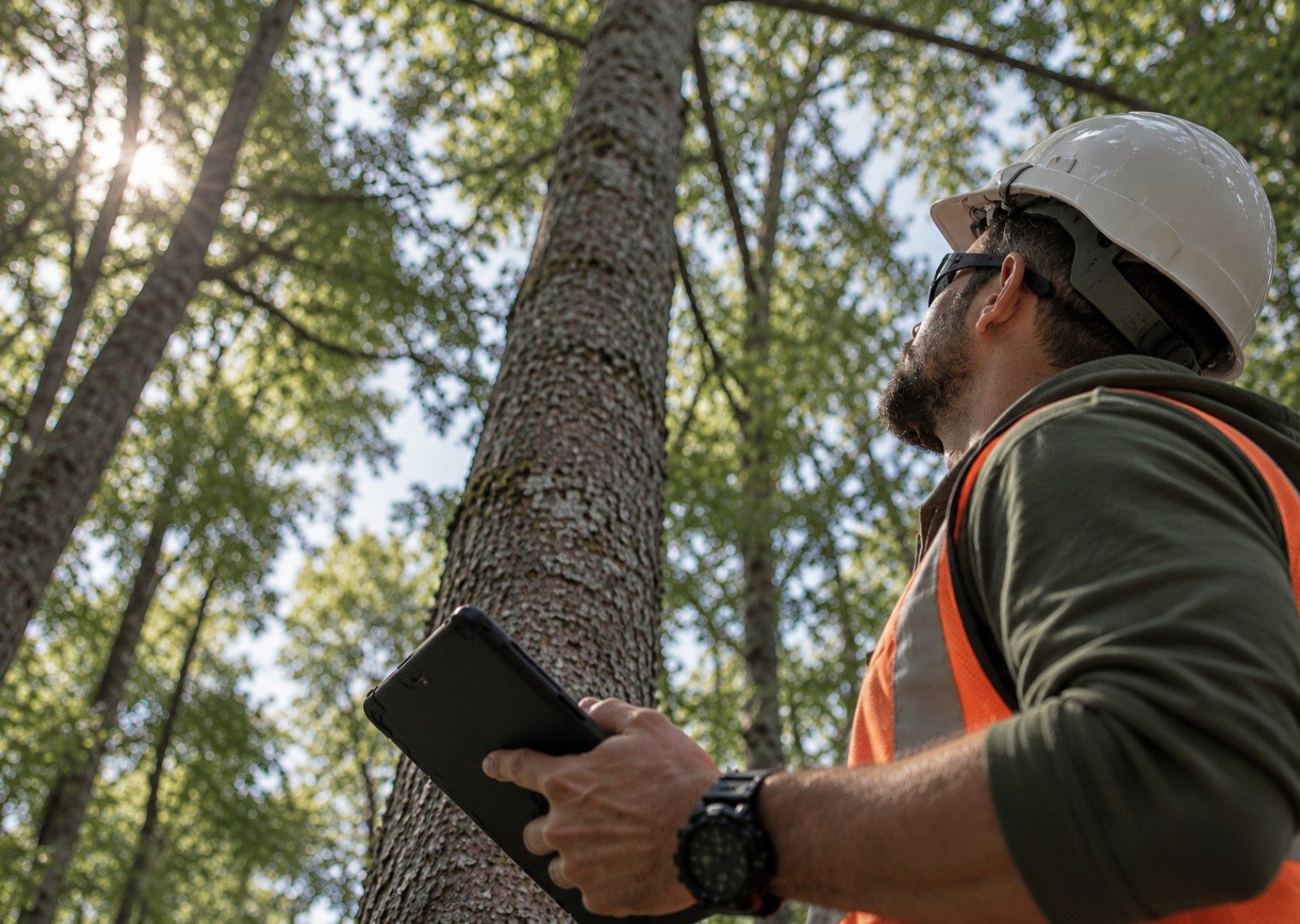
Tree Pest and Disease Assessment
Tree Insect and Disease Control in Niagara
Noticing unusual spots, holes, damaged leaves, or dying branches? Request a free, no-obligation estimate today.
Identify the Problem Before Choosing a Treatment
Insects and diseases can affect trees in different ways. Leaf spots, premature leaf drop, chewed foliage, bark damage, cankers, unusual growth, and branch dieback may indicate a biological problem, but environmental stress and root conditions can produce similar symptoms. Correct identification matters because an unsuitable treatment may waste money without addressing the underlying cause.
Tree Inspection Niagara helps property owners investigate potential pest and disease concerns through tree health assessment and practical recommendations. We consider the tree species, visible symptoms, seasonal timing, site conditions, and patterns of damage. Depending on the findings, the next step may involve monitoring, further identification, adjustments to tree care, or treatment by an appropriate specialist.
Tree Inspection Niagara Is Proud to Serve Niagara
Tree Pest and Disease Management
Effective management begins with understanding the likely problem, its severity, and whether intervention is warranted. Not every insect requires control, and not every affected tree can benefit from treatment. Recommendations should account for the tree's condition, the biology of the suspected pest or disease, and the practical options available.
Insect damage assessment
Investigate visible signs such as feeding damage, holes, webbing, unusual leaf changes, or other symptoms that may be associated with insect activity.
Tree disease investigation
Assess symptoms such as leaf spots, cankers, unusual growth, dieback, and bark changes while considering non-disease causes that may look similar.
Management recommendations
Discuss suitable responses based on the evidence, which may include monitoring, improved care, further diagnosis, sanitation measures, or a specialist treatment provider.
Follow-up assessment
Where useful, revisit the concern to review symptom progression and determine whether the management approach needs to be reconsidered.
Tree Insect and Disease Control Costs
| Service | Pricing | What Affects the Price |
|---|---|---|
| Initial pest or disease inspection | Quote required | Depends on scope |
| Detailed diagnostic investigation | Quote required | Depends on complexity |
| Written management recommendations | Quote required | Depends on reporting needs |
| Treatment by an appropriate provider | Separate quote | Depends on treatment and tree |
Costs depend on the tree species, number of affected trees, identification requirements, testing, access, and the management method selected. Inspection fees and treatment charges may be separate. Any pesticide use must comply with applicable Ontario requirements and product directions.
Why Choose Us for Insect and Disease Control?
Diagnosis before intervention
We consider the evidence and alternative explanations before discussing whether a treatment is appropriate.
Understand the local setting
Season, weather, growing conditions, and tree species can influence which pests and diseases are plausible and how symptoms should be interpreted.
Responsible management options
We discuss practical responses and recognize when a specialist, laboratory diagnosis, or appropriately licensed treatment provider may be needed.
Insect and Disease Questions
What are signs of insects in a tree?
Look for small holes in the bark, sawdust-like material at the base, D-shaped exit holes, chewed or skeletonised leaves, sticky residue, and sudden dieback in parts of the crown.
Can every tree disease be treated?
No. Some can be managed, some can only be slowed, and some are best handled by improving growing conditions or removing the tree. Accurate identification is the first step to choosing the right response.
Is emerald ash borer still a problem in Niagara?
Emerald ash borer has affected ash trees across southern Ontario, including Niagara. If you have ash trees, especially near your home, it is worth confirming their condition.
Contact Us Today for a Free Estimate
Early investigation can help you understand unusual tree symptoms before deciding on treatment. Tell us what you have observed.
Free — no obligation
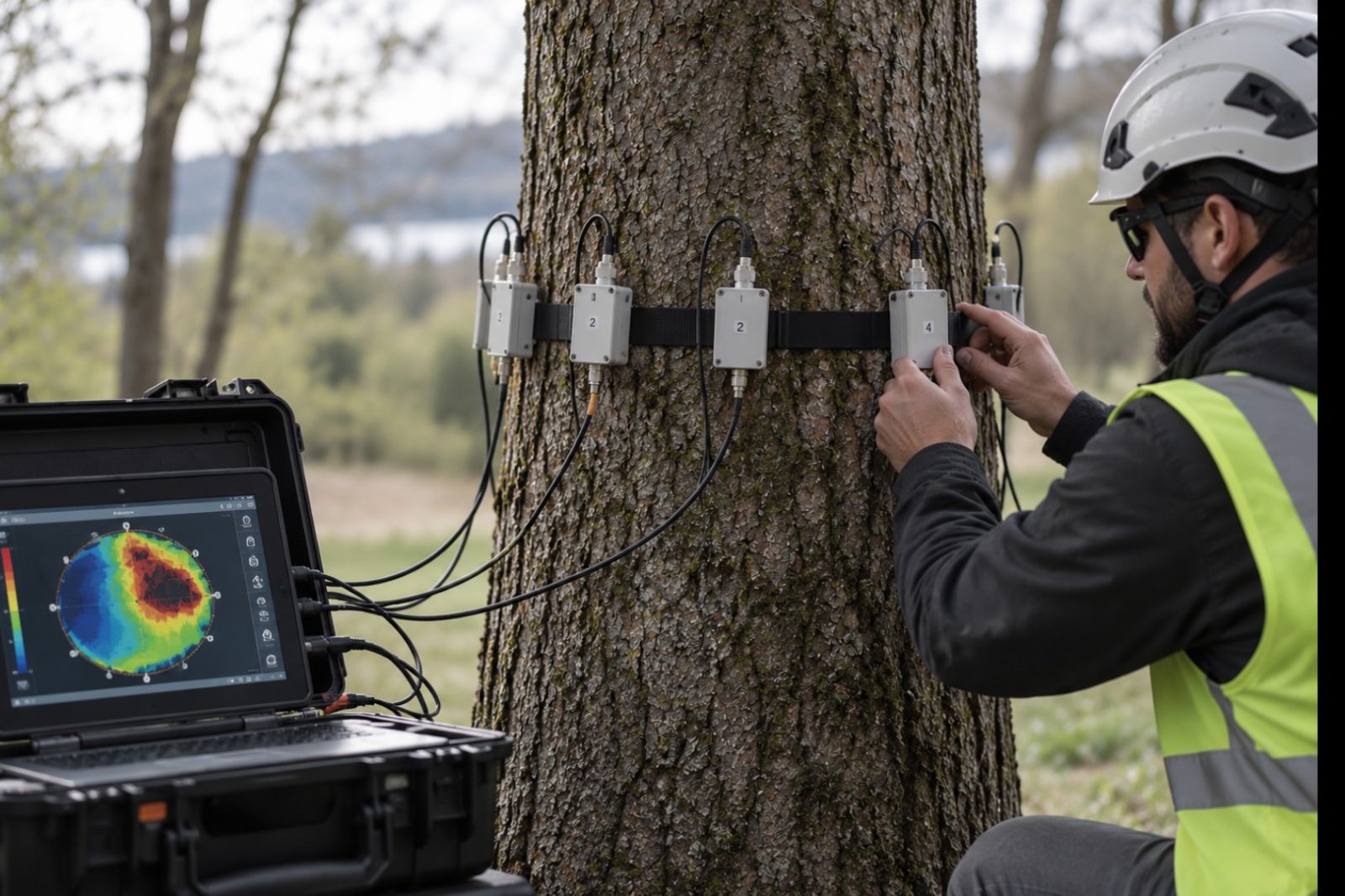
Our Insect and Disease Assessment Process
Describe the symptoms
Share the tree species if known, the parts affected, when the problem began, and whether nearby trees show similar signs.
Inspect the affected tree
Review visible symptoms and relevant site conditions within the agreed inspection scope.
Evaluate possible causes
Consider likely insects, diseases, and environmental factors, identifying any uncertainty or need for more definitive testing.
Discuss management options
Review whether monitoring, changes to tree care, additional diagnosis, or treatment by a suitable specialist is the most appropriate next step.